
6 Fresh, Proven Tactics to Increase Your Website Organic Visitors
If you want to grow your organic traffic today, generic AI-generated advice like “write high-quality content” or “optimize your meta tags” will not cut it.
The reality? Google’s search algorithms are more sophisticated than ever. To rank on page one, you need a highly tactical, data-driven framework.
In this updated guide, you will find the exact blueprint we used to scale an organic traffic strategy from scratch, complete with precise data points, actionable step-by-step sequences, and real-world experiments.
The True ROI of Unpaid Search
Before diving into the tactics, let us look at what makes organic traffic the single most stable growth lever for an online business.
When you look at a healthy Google Search Console performance dashboard, you want to see consistent, upward movement over a multi-month period, rather than the sudden drop-offs that happen the moment a paid ad budget runs dry.
Why Organic Asset Accumulation Beats Paid Acquisition
- Compounding Value: Unlike pay-per-click (PPC) campaigns where every click costs money, a single high-ranking article can pull in targeted visitors for years without recurring acquisition fees.
- Built-In Brand Trust: Data shows that searchers inherently trust organic rankings over sponsored listings. Securing a spot in the top three positions signals immediate sector authority.
- Higher Conversion Intent: Inbound searchers are actively looking for solutions. They exhibit significantly higher buying intent than social media users scrolling through passive feeds.
Step 1: The Long-Tail Keyword Extraction Blueprint
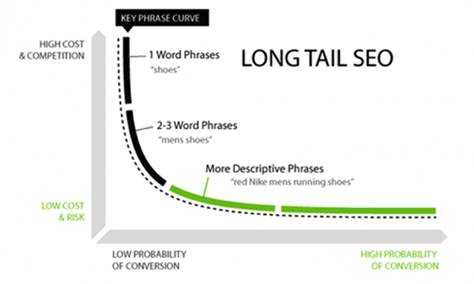
Most sites struggle to rank because they target hyper-competitive, single-word phrases. To gain traction quickly, your keyword strategy needs to focus on high-intent long-tail phrases.
As illustrated by the classic SEO keyword curve, short phrases carry high costs and intense competition, while longer, highly descriptive phrases map to a much higher probability of conversion with lower ranking risk.
Here is the exact step-by-step keyword research process:
- Extract Competitor Low-Hanging Fruit:
Phase 1
Plug your top three direct competitors into an SEO tool like Semrush or Ahrefs. Filter their organic keywords to show only terms where they rank in positions 4 through 10 with a Keyword Difficulty (KD) score under 40%. These are topics where the competitor is weak, making them prime targets for a superior content piece. Check the long-tail keyword guide for the indepth understanding.
- Isolate Informational Long-Tail Phrases:
Phase 2
Filter your primary topic seed keyword using modifier words such as “how to”, “for beginners”, “best practices”, or “step by step”. Identify 4-word and 5-word combinations that have a minimum of 200 monthly searches but near-zero competitive density.
- Map Latent Semantic Indexing (LSI) and Intent:
Phase 3
Take your target phrase and analyze the “People Also Ask” (PAA) section on the Google search results page. Extract the exact phrasing of the top four related questions. These terms provide the conceptual framework for your content headings, ensuring complete alignment with search intent.
Step 2: The Skyscraper Content Strategy
Once you have identified your high-intent keywords, you must execute a content production strategy that renders existing search results obsolete.
How to Create Content That Dominates
- Solve the Search Intent Completely: Do not just match the keyword; answer the user’s secondary and tertiary questions. If a user searches for a technical guide, give them exact targets along with step-by-step software instructions.
- Optimize for Rapid Scannability: Keep your paragraphs under three lines. Use frequent subheadings (H2 and H3) to allow mobile users to skim your content quickly and find immediate value.
- Incorporate Original Technical Walkthroughs: Include high-fidelity diagrams, data tables, or annotated interface instructions that clearly explain complex processes. This boosts time-on-page metrics, which signals deep value to search engines.
Step 3: Precise On-Page Structural Tuning
On-page SEO is about creating clean, structured paths that search engine web crawlers can read effortlessly.
| [Target Keyword] = “Organic Traffic Tips” ├── Frontloaded Title Tag: “Organic Traffic Tips: The 5-Step Blueprint” ├── Clean Descriptive URL: domain.com/blog/organic-traffic-tips └── Header Hierarchy: └── H1: Organic Traffic Tips: How We Scaled Our Search Presence ├── H2: Section 1: Core Content Enhancements └── H2: Section 2: Technical Crawl Optimization |
The Strict On-Page Checklist
- Frontload the Target Keyword: Place your exact primary keyword within the first 60 characters of your title tag, and reuse it naturally in the first 100 words of your introductory text.
- Keep URLs Short and Descriptive: Avoid messy parameters or dates. A clean URL string like [domain.com/blog/organic-traffic-tips](https://domain.com/blog/organic-traffic-tips) ranks more effectively than a long, date-heavy alternative.
- Build a Deep Internal Linking Infrastructure: Every time you publish a new article, find three older, related blog posts and add anchor-text links leading directly to the new page to distribute link equity across your site.
Step 4: Technical Site Infrastructure Optimization
A site with brilliant content will still fail to rank if its technical foundation is slow or difficult for search engine bots to crawl.
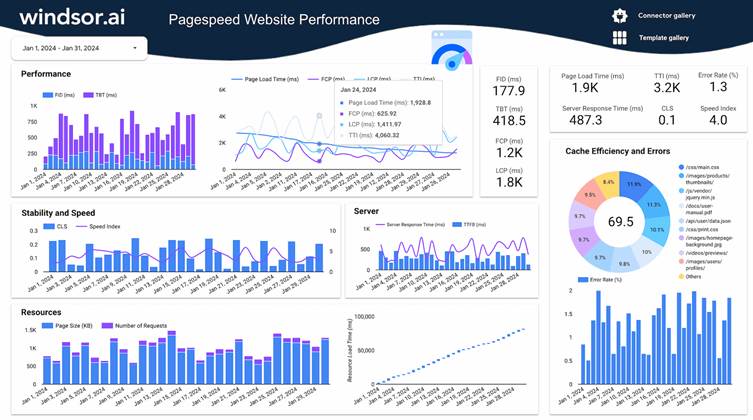
When monitoring technical health, a professional site metrics dashboard tracks core web vitals, server response times, and page load speed parameters across various device profiles to protect search performance.
The Core Technical Fixes
- Optimize Core Web Vitals: Ensure your Cumulative Layout Shift (CLS) score stays under 0.1 and your Largest Contentful Paint (LCP) triggers in less than 2.5 seconds.
- Compress All Visual Assets: Run all featured images and infographics through modern formats like WebP or AVIF. This reduces file sizes by up to 75% without sacrificing visual clarity.
- Establish a Clean Crawl Architecture: Generate a dynamic XML sitemap and submit it directly to Google Search Console. Routinely check for 404 errors or faulty redirects to preserve your site’s crawl budget.
Step 5: White-Hat Link Building and Authority Scaling
Backlinks remain a primary ranking signal in Google’s search algorithm. However, low-quality automated links can trigger algorithmic penalties. Focus instead on acquiring high-authority contextual links.
High-Impact Editorial Outreach Tactics
- The Broken Link Replacement Technique: Use an SEO tool to locate broken links on resource pages within your niche. Email the webmaster, alert them politely to the dead link, and suggest your highly detailed guide as a premium replacement.
- Digital PR and Resource Page Pitching: Create high-quality data assets, original research infographics, or trend reports. Pitch these resources directly to industry journalists[1] and resource curators who regularly compile authoritative references.
A Note on Network Integrity: Relying on artificial private blog networks (PBNs) or automated social spam poses a significant risk of sitewide search penalties. To build a lasting digital asset, focus your efforts entirely on earning editorial links from established, real-world websites.
Step 6: Maximizing On-Site User Experience (UX)
Search engines monitor how long visitors stay on your site to determine its overall relevance. A high bounce rate tells an algorithm that your page failed to satisfy the searcher’s query.
- Establish Clear Visual Hierarchy: Use high-contrast fonts, clean margins, and an easy-to-use navigation menu to reduce user frustration.
- Deploy Strategic Call-to-Actions (CTAs): Place conversion points and newsletter sign-up boxes contextually within the body text rather than using intrusive pop-ups that disrupt the reading flow.
- Implement Systematic A/B Testing: Run structured experiments comparing different page structures, intro styles, and button alignments to see which setups maximize user engagement and time-on-page metrics.
Final Note
Building sustainable organic traffic is not about tracking every single minor algorithm update; it is about establishing a flawless technical framework and consistently creating the absolute best resource on the internet for your target keywords. Focus on search intent, optimize your structural execution, and consider leveraging professional guest posting to focus your outreach on building legitimate editorial authority.
[1]https://prnow.io/journalists