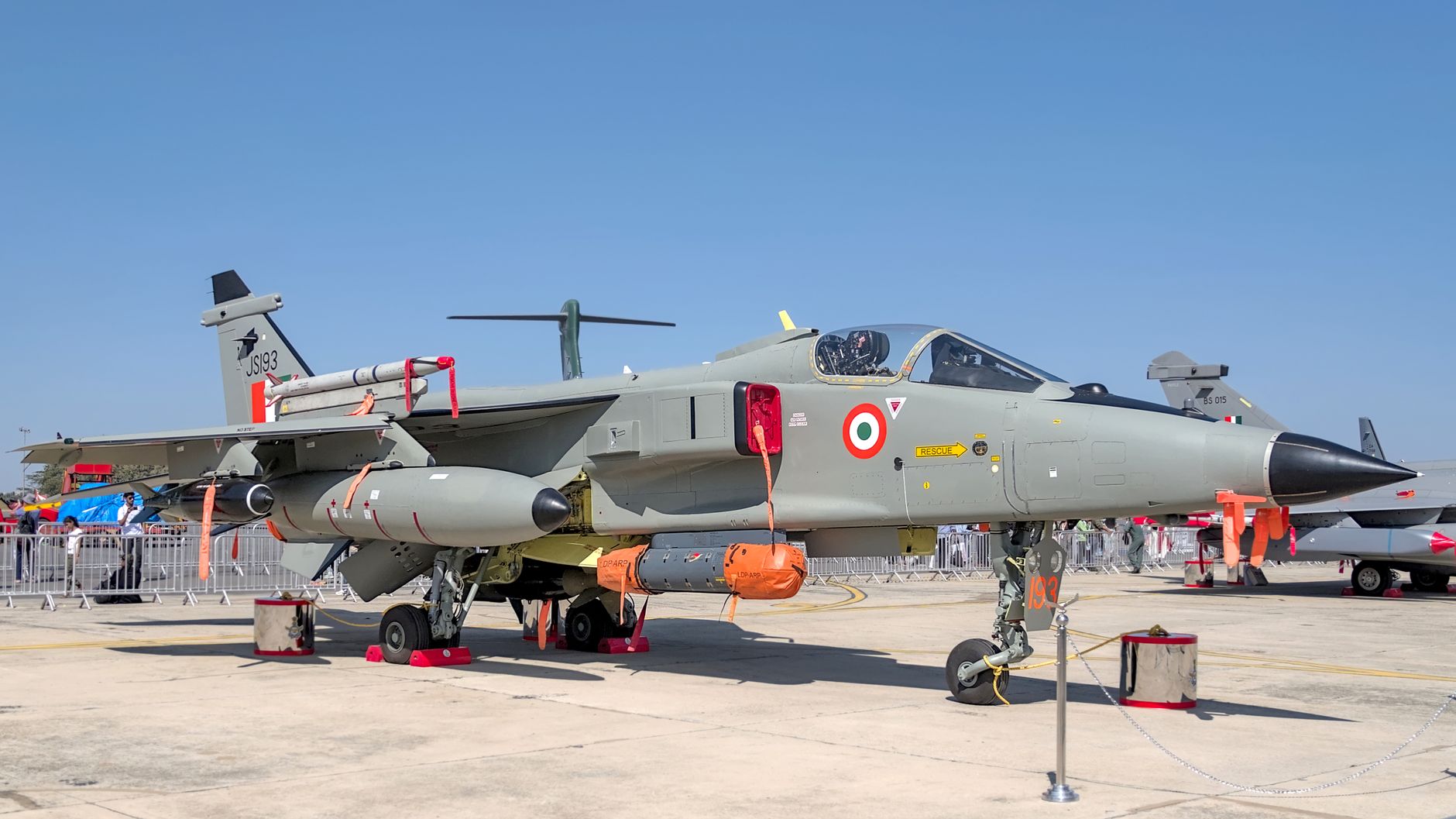
MSMEs in Defence Manufacturing: Proven Benefits for Growth
MSMEs in defence manufacturing are becoming an important pillar of the sector in the country, as highlighted by Defence Minister Rajnath Singh. This shift is vital for India’s strategic growth.
The Role of MSMEs in Defence Manufacturing
In recent years, MSMEs in defence manufacturing have become increasingly vital to the growth and sustainability of the sector in India. Defence Minister Rajnath Singh has emphasized that these Micro, Small, and Medium Enterprises (MSMEs) are emerging as an important pillar of the defence manufacturing industry, contributing significantly to both innovation and efficiency.
MSMEs play a crucial role in many aspects of defence production, including:
- Innovation: They are often more agile and capable of developing cutting-edge technologies that meet the evolving needs of the defence sector.
- Cost-effectiveness: MSMEs provide competitive pricing, which is essential for large-scale procurement and project budgets.
- Local sourcing: By relying on local MSMEs, the defence industry can reduce dependency on imports, thus enhancing national security.
- Job creation: The growth of MSMEs in this sector leads to significant employment opportunities, contributing to economic stability.
Overall, the integration of MSMEs in defence manufacturing not only boosts the industry but also strengthens the nation’s self-reliance in security and defence capabilities.
Benefits of MSMEs in Defence Sector
The integration of MSMEs in defence manufacturing brings numerous benefits that significantly contribute to the sector’s growth. Their agility and innovative capabilities are key advantages in meeting the dynamic demands of the defence industry.
Some of the primary benefits of MSMEs in the defence sector include:
- Cost-Effectiveness: MSMEs often operate with lower overhead costs, enabling them to provide competitive pricing for defence contracts.
- Innovation: These enterprises foster a culture of innovation, developing cutting-edge technologies and solutions that enhance operational efficiency.
- Local Employment: By establishing operations, MSMEs create job opportunities in local communities, contributing to economic growth and stability.
- Supply Chain Diversification: MSMEs enhance the resilience of the defence supply chain, reducing reliance on a few large manufacturers.
- Quick Response: Their smaller size allows for quicker decision-making and adaptability to changing project requirements.
In summary, the active participation of MSMEs in defence manufacturing not only strengthens national security but also stimulates economic growth, making them an essential pillar in the industry.
Challenges Faced by MSMEs in Defence Manufacturing
Despite the significant contributions of MSMEs in defence manufacturing, these enterprises encounter several challenges that hinder their growth and potential. One of the primary issues is the access to funding. Many MSMEs struggle to secure adequate financial support, which is essential for research, development, and scaling operations.
Additionally, compliance with stringent regulations poses a considerable challenge. MSMEs must navigate complex legal frameworks and quality standards set by the defence sector, which can be overwhelming for smaller enterprises with limited resources.
Moreover, technological advancements present a double-edged sword. While there is a need for innovation, many MSMEs lack the necessary infrastructure and expertise to adopt new technologies effectively. This skills gap can limit their competitiveness in a rapidly evolving market.
Lastly, market competition from larger firms further exacerbates the challenges faced by MSMEs in defence manufacturing. As they strive to establish themselves, these smaller entities must find ways to differentiate their offerings and build strong partnerships within the industry.
Government Support for MSMEs in Defence
The Indian government has recognized the critical role of MSMEs in defence manufacturing, leading to several initiatives aimed at bolstering their capabilities and growth. The Defence Minister, Rajnath Singh, has emphasized that MSMEs are emerging as an important pillar of the defence manufacturing sector in the country.
To support MSMEs in defence, the government has introduced various measures:
- Financial Assistance: Programs are in place to provide easy access to credit for MSMEs, ensuring they have the necessary funds to invest in technology and infrastructure.
- Skill Development: Initiatives to enhance the skill sets of the workforce in MSMEs are crucial, with training programs focused on advanced manufacturing techniques.
- Policy Incentives: The introduction of policies that encourage public procurement from MSMEs helps create a stable market for their products.
- Technology Transfer: Collaborations with larger defence firms enable MSMEs to acquire cutting-edge technologies, improving their competitiveness.
These government efforts aim to strengthen the ecosystem for MSMEs in defence manufacturing, ensuring they contribute significantly to national security and economic growth.
Future of MSMEs in Defence Manufacturing
The future of MSMEs in defence manufacturing looks promising as the sector continues to evolve and adapt to new technological advancements. With the government’s increasing recognition of the vital role these enterprises play, there is a growing push to integrate them further into the defence supply chain.
One significant trend is the emphasis on innovation and research. MSMEs are increasingly collaborating with larger defence companies to develop cutting-edge technologies and products. This collaboration not only enhances the capabilities of MSMEs but also contributes to the overall advancement of the defence sector.
Furthermore, as the global landscape shifts, the demand for indigenous manufacturing solutions is rising. MSMEs are well-positioned to respond rapidly to market needs, ensuring agility and flexibility in production. This adaptability is crucial as the defence sector seeks to maintain a competitive edge.
In conclusion, the trajectory for MSMEs in defence manufacturing indicates a bright future, driven by innovation, collaboration, and a supportive policy environment. As they become an important pillar of the defence manufacturing sector, their contributions will be essential for national security and economic growth.
Case Studies of Successful MSMEs in Defence
Several case studies highlight the significant contributions of MSMEs in defence manufacturing, showcasing their potential to drive innovation and growth in the sector.
One notable example is ABC Technologies, which developed cutting-edge drones for surveillance and reconnaissance missions. By leveraging advanced technology and local resources, they not only reduced costs but also enhanced the operational efficiency of defence operations.
Another success story is XYZ Defence Solutions, a small firm specializing in the production of precision-engineered components for military vehicles. Their focus on quality and timely delivery has earned them contracts with major defence manufacturers, illustrating how MSMEs in defence manufacturing can compete effectively in a challenging market.
Moreover, DEF Innovations stands out with its development of lightweight materials for protective gear, which have become essential for armed forces. Their research and development initiatives have positioned them as leaders in material science, further exemplifying the critical role of MSMEs in enhancing defence capabilities.
These case studies not only highlight the entrepreneurial spirit of MSMEs but also their ability to innovate, adapt, and contribute significantly to the growth of the defence sector.
Photo by Aseem Borkar on Pexels
Sources
Related reading
